

Downgraded cereals feeding opportunity needs careful balance
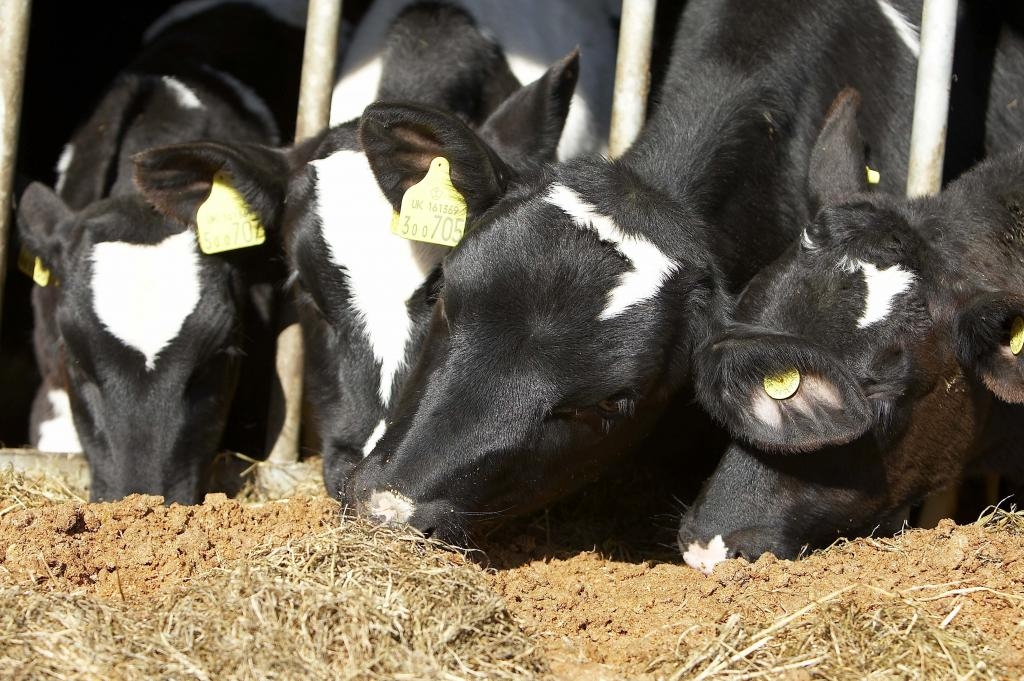
Following this year’s poor weather, significant volumes of wheat are being downgraded due to low bushel weights and the inherent reduction in nutritional value. It’s a potential opportunity for dairy producers to increase cereal feeding and cut feed costs, but care needs to be taken to ensure rations remain balanced and cow performance remains on target, claims Trident nutrition manager Dr Michael Marsden.
“It’s important not to forget the bigger picture just to capitalise on cheaper grain,” he states. “Meeting milk contract criteria, for example, is still vital, as is taking into account the other feeds available, including the quality and volume of winter forages.
“So although low bushel weight wheat might be perhaps £15/t cheaper, it’s important to avoid the temptation to overfeed cheap grain to maximise feed cost savings.”
Too much cereal starch will increase the risk of acidosis, potentially reducing feed intakes and milk fat percentage. And with the poor weather also resulting in many wet, acidic silages, the risk of acidosis will already be higher than normal on many farms this winter.
“The key is to keep the overall balance between energy sources, and that means complementing the starch in any extra cereals fed with additional digestible fibre feeds, such as sugar beet feed, distillers’ feeds or soya hulls,” Dr Marsden continues. “And make sure the ration contains enough structural fibre to stimulate rumen function and promote cudding, which is essential to ensure good production of saliva, the cow’s natural rumen buffer.
“Aim for a minimum of 0.5kg straw/head/day, but don’t be afraid to increase this up to 1.0kg/head/day if forage fibre levels are low, or silage potential acid loading (PAL) scores are high. Consider including a rumen buffer to help stabilise rumen pH or a live yeast to enhance rumen function, both of which would be a sound investment to ensure the cost benefits of any extra wheat fed aren’t lost to reduced livestock performance.”
It’s also important to pay close attention to the chop length of straw to minimise sorting (aim for 5cm), and to include a moist feed or liquid feed to help bind smaller particles like processed grains to the rest of the ration. According to Dr Marsden, it’s the only way to ensure each cow eats a consistent ration, consuming structural fibre and digestible fibre as part of each mouthful that contains grain.
“It’s no good putting the right balance of feed ingredients into the ration if cows then sort out and eat only part of it. With high grain diets, the opportunity to burrow through the ration and eat mainly the grain particles settled at the bottom of the trough is much higher, and so too is the subsequent risk of acidosis.
“Using moist feeds like pressed pulp and brewers’ grains to supply the digestible fibre needed is one option that will bind feed ingredients together, as will adding any of the molasses- or distillery syrup-based liquid feeds,” he states.
Care will be needed during the processing of any low bushel weight wheat, as the smaller grain size may result in some grains or part grains going unprocessed. These would be unavailable to the rumen microbes and pass directly through the digestive tract without being broken down, so keep an eye out for undigested grains in the dung as a clear indication of a problem.
Dr Marsden also warns that low bushel weight wheat can sometimes be associated with moulds, particularly if the grain is starting to sprout or the sample has a higher than ideal moisture content. Any evidence of moulding should be tackled by adding a mycotoxin binder to the ration as a precaution, he recommends.
“Consider treating any high moisture or sprouting wheat with an acid, such as propionic acid, to stop any deterioration and to preserve the grain until it can be used. Add up to 1% propionic acid by weight, and don’t skimp on the amount and risk heating or moulding later on.
“Another good option is to use urea as a preservative. Not only does this also add extra effective protein to the ration, but the alkaline nature of urea acts as a buffer to reduce the risk of acidosis.”
Find where to buy
Click on the map to go through to find your local merchant.
